About Extinction

Understanding Extinction in a Scientific Context

Extinction is a natural process in Earth history, but modern human activity has increased extinction risk at an alarming speed. This page explains the foundations clearly and connects them to present-day biodiversity challenges.

Core Idea

What Is Extinction?

Extinction occurs when the last individual of a species dies, ending that evolutionary line forever. Unlike local disappearance, global extinction means a species no longer exists anywhere on Earth.

Extinction can happen gradually when populations decline over long periods, or rapidly after sudden environmental shocks.
Final Record of a Species
Two Pathways

Natural Extinction vs Human-Caused Extinction

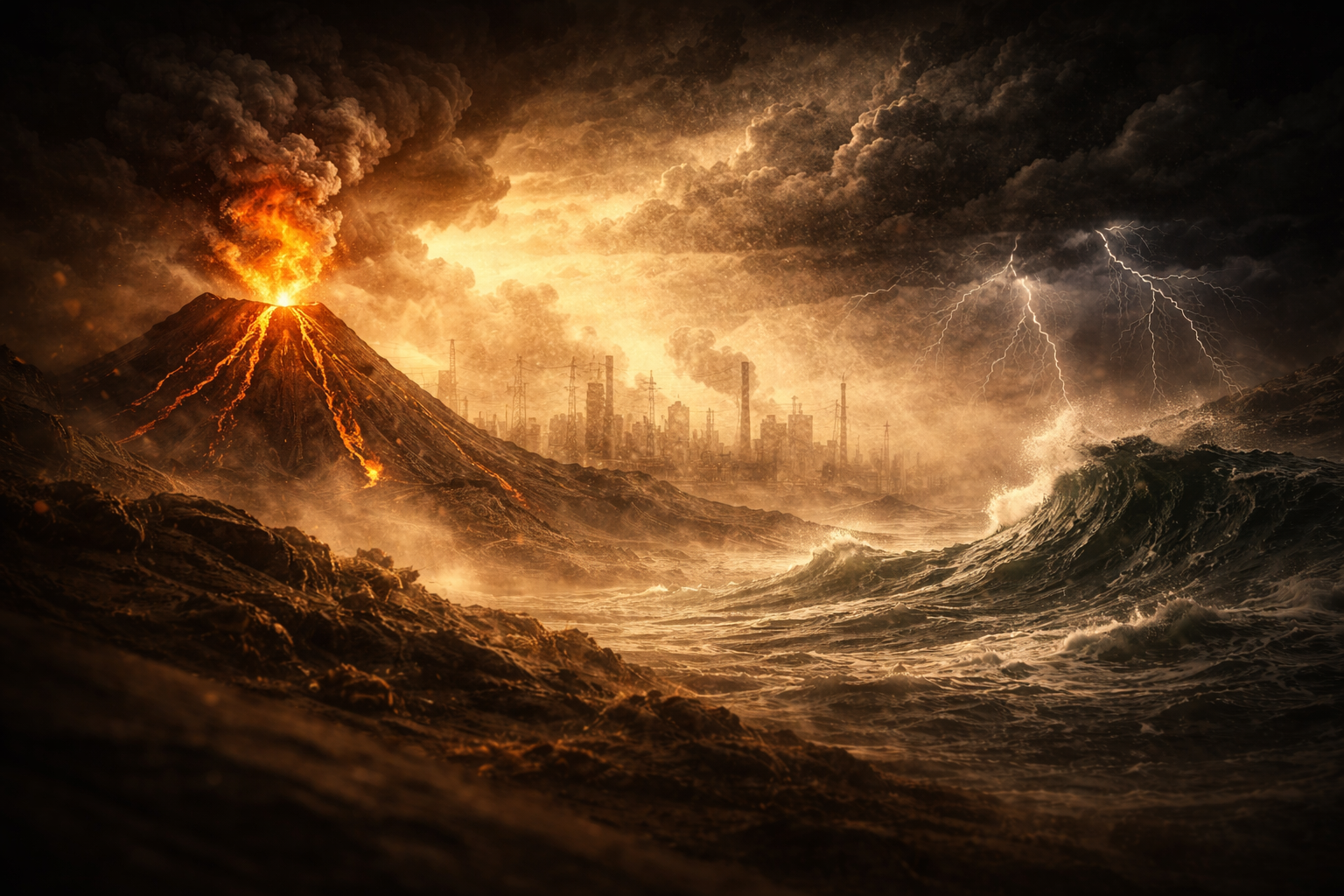
Natural extinction has always occurred due to climate shifts, volcanic activity, asteroid impacts, and ecological competition. Mass extinction events are extreme examples of natural global disruption.

Human-caused extinction is linked to habitat destruction, overhunting, pollution, invasive species, and climate change. These pressures can remove species faster than ecosystems can adapt.

Key distinction The current crisis is unusual because a single species, humans, now drives many global extinction pressures.
Natural Forces and Human Pressure
Scientific Value

Why Extinct Animals Still Matter

Extinct species help scientists understand evolutionary history, adaptation, and ecosystem balance. They reveal how food chains collapse and how environmental stress can spread through an entire biome.

Their records also improve modern conservation planning by highlighting which warning signs were ignored in the past.

Evolutionary Evidence
Research Methods

Fossils, Archives, and Historical Observations

Paleontologists use fossils to reconstruct body structures, movement, and ancient habitats. Museum archives and early explorer records can reveal where species lived and when they began to decline.

Combining fossil evidence with modern genetics gives a stronger picture of how species evolved and disappeared.

Fossil Beds and Museum Notes
Glossary

Key Terms

Use the expandable glossary to review foundational extinction concepts for revision and viva discussion.

Extinction

Permanent global disappearance of a species when no living individuals remain.

Mass Extinction

Rapid large-scale biodiversity collapse affecting many species across Earth.

Biodiversity

The variety of life that supports ecosystem stability and resilience.

Conservation

Science-based protection of species, habitats, and ecological processes.

A global event in which a very large percentage of species disappear over a relatively short geological period.

The variety of life across genes, species, and ecosystems. High biodiversity usually supports stronger ecosystem resilience.

Species introduced to new regions where they spread rapidly and can outcompete native species, sometimes driving extinctions.

The collection of preserved remains, imprints, and traces that documents ancient life and changes in biodiversity over time.