Natural History Project

Discover the Lost Creatures of Earth

Explore the stories of species that once shaped our planet. This website presents extinction history, iconic lost animals, and practical conservation lessons for today.

Project Purpose

Why This Website Was Built

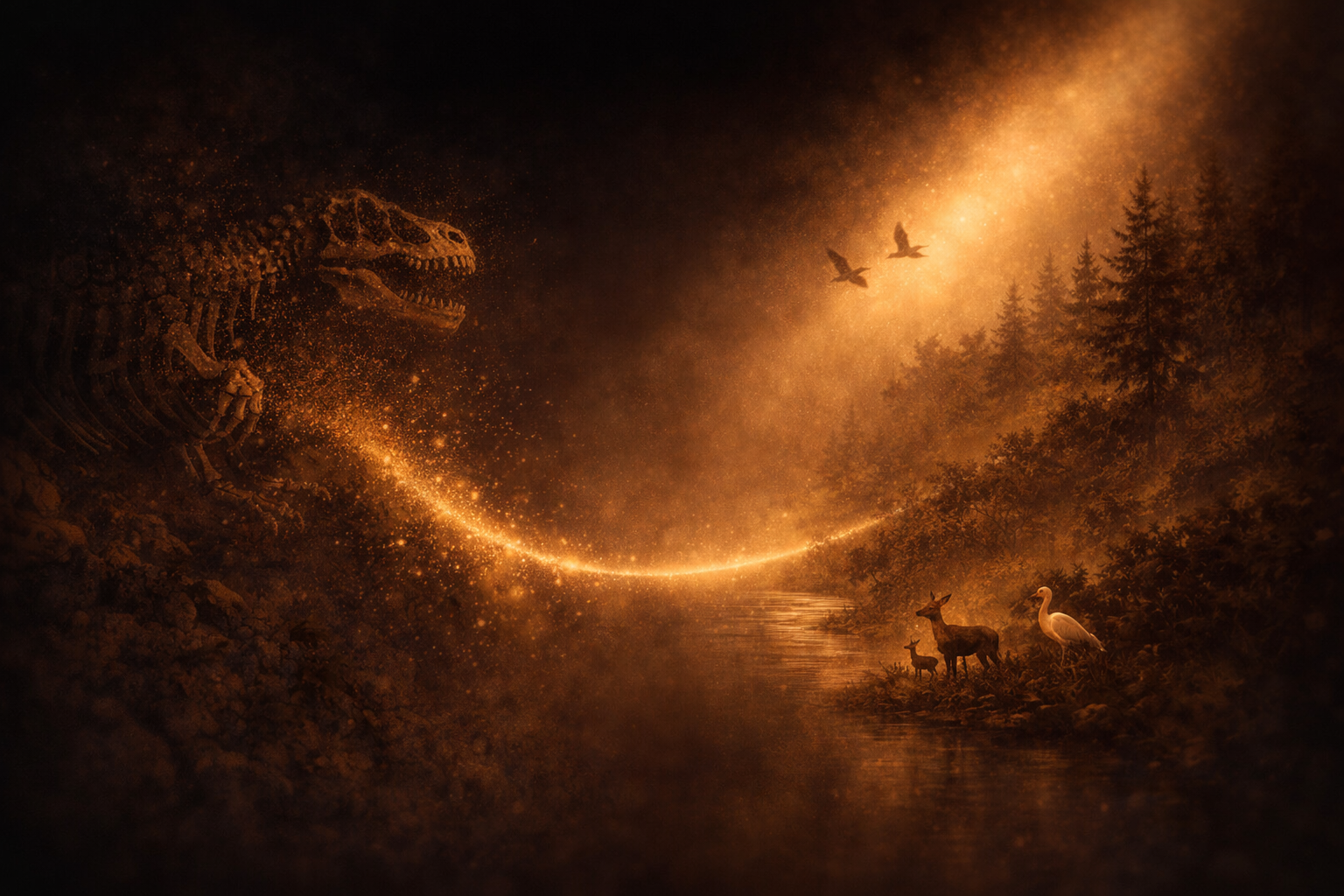
Extinction is not just about the past. It is also a warning for the future. This project explains how species disappeared, what scientists learned from fossils and records, and why protecting biodiversity now matters more than ever.

The content is written for students and general learners who want a clear and meaningful understanding of extinction events without overly technical language.
Featured Animals

Stories of Species We Lost

These examples show how habitat change, hunting pressure, and ecological disruption can erase life forever.

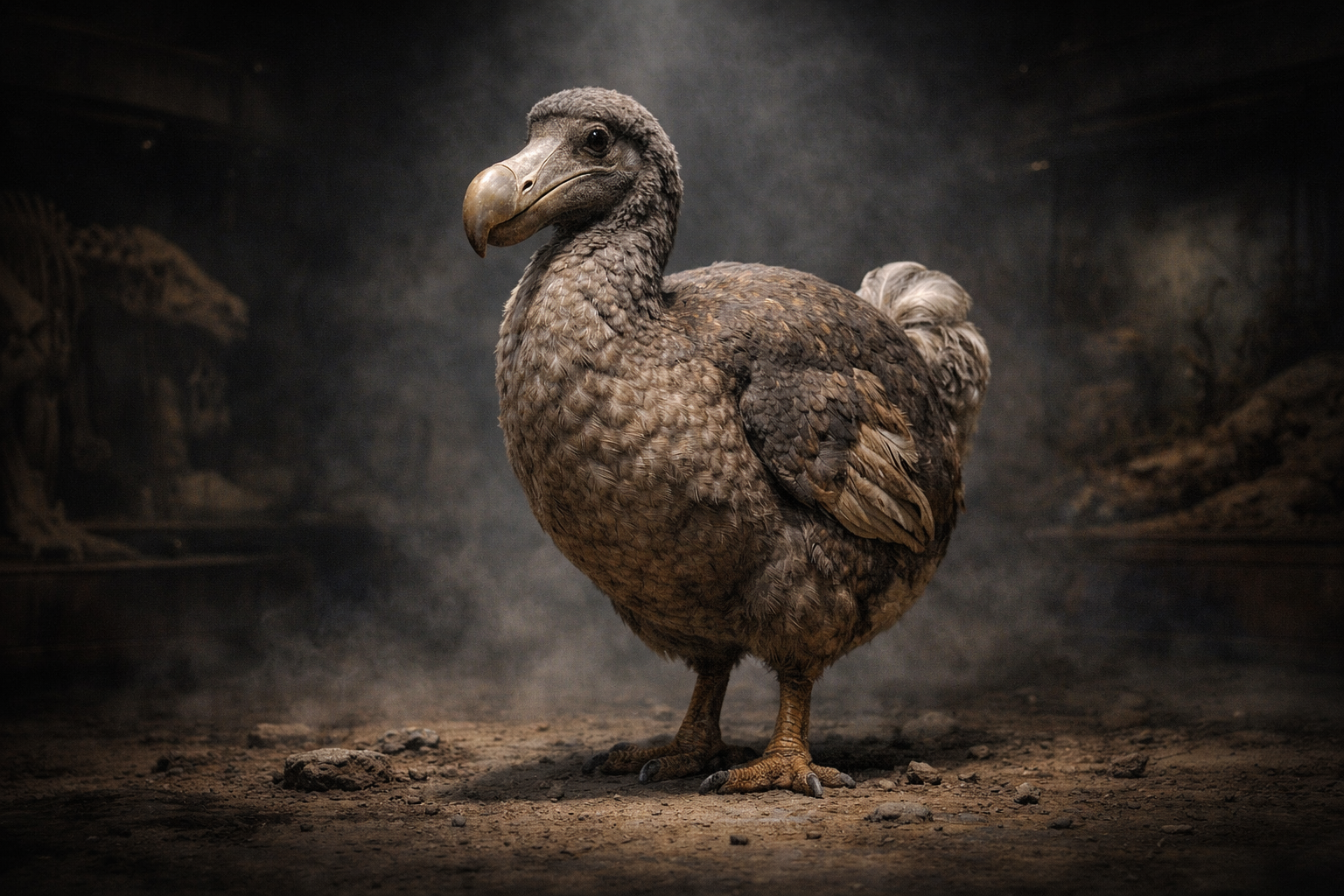
Dodo bird illustration

Dodo

A flightless island bird from Mauritius that vanished in the 1600s after hunting and invasive species spread.

Island Bird Human Impact
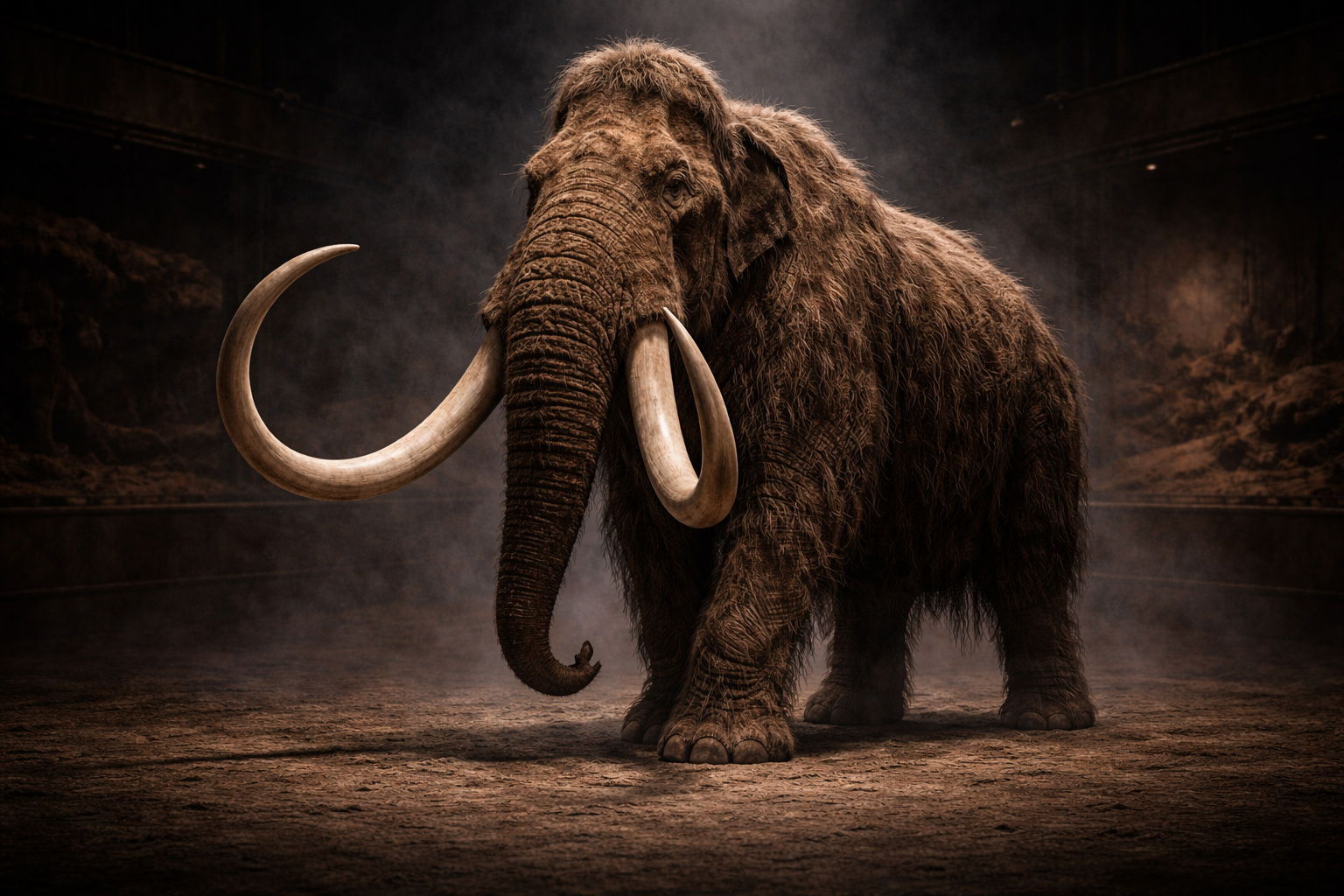
Woolly mammoth illustration

Woolly Mammoth

An Ice Age giant that declined as climate changed and humans expanded into cold steppe habitats.

Mammal Climate Shift
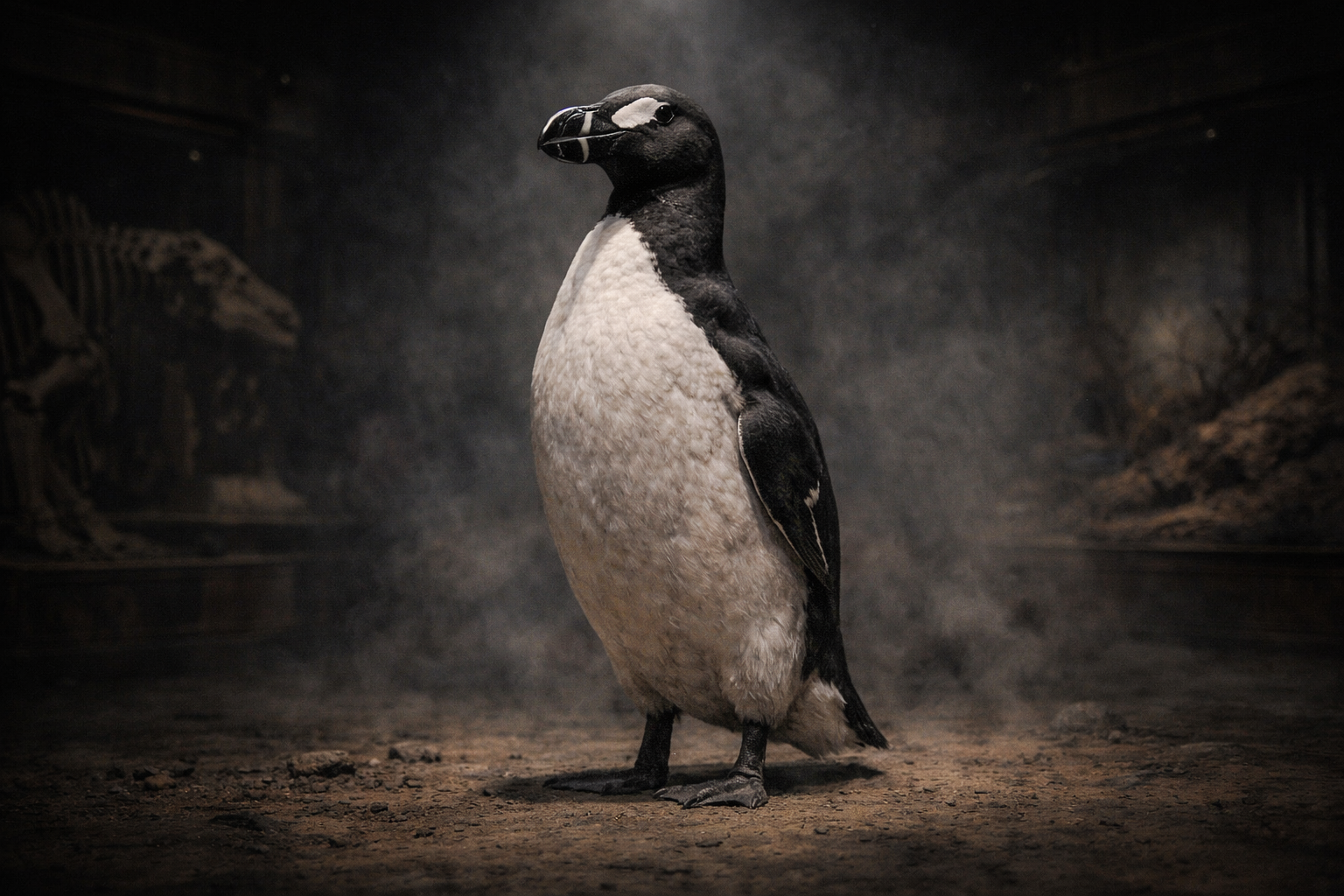
Great auk illustration

Great Auk

A seabird of the North Atlantic that was hunted heavily for feathers, meat, and museum collection demand.

Seabird Overhunting
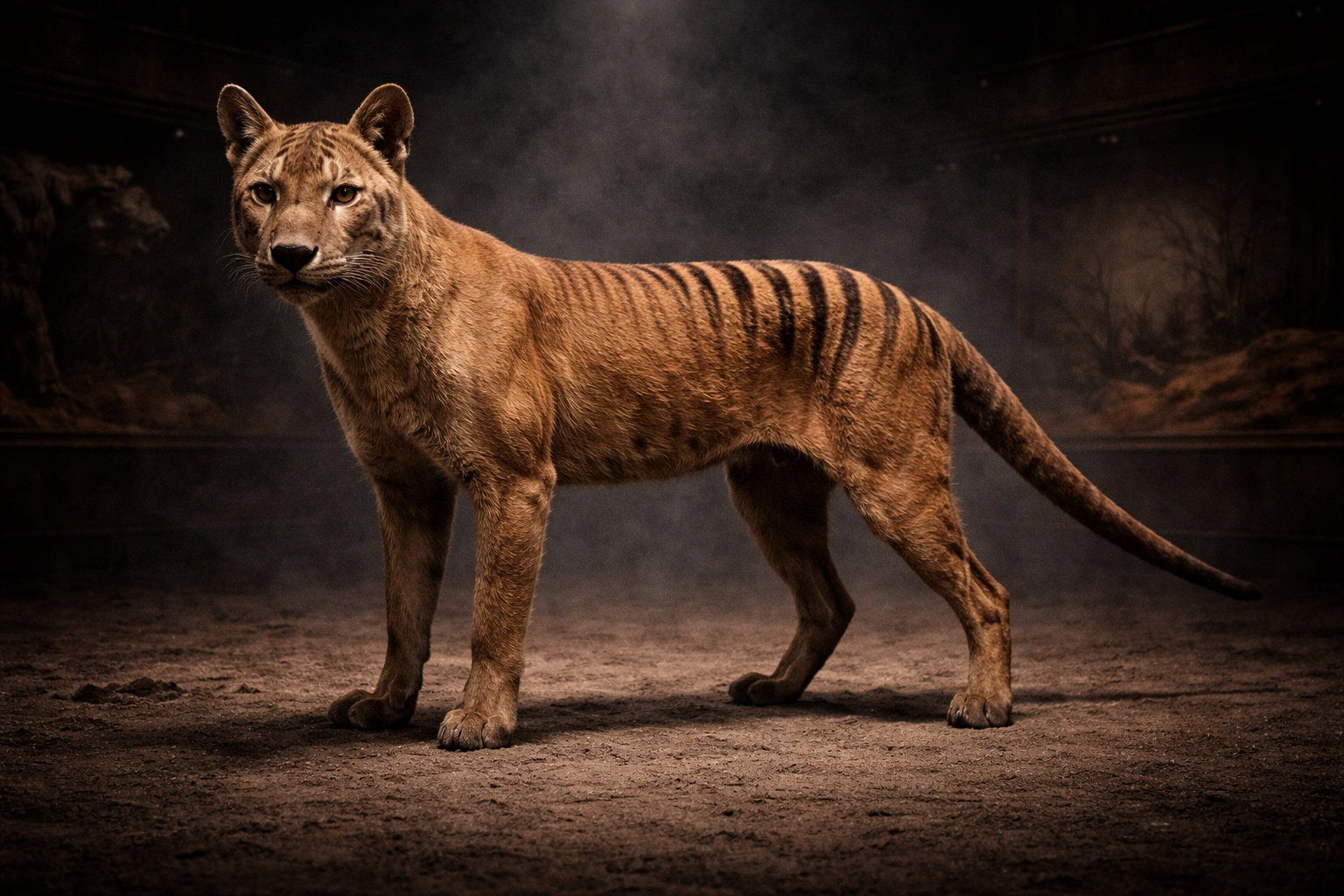
Thylacine illustration

Thylacine

The Tasmanian tiger survived into the 20th century but disappeared due to bounty hunting and habitat pressure.

Marsupial Policy Failure
0 Species Featured in Gallery
0 Major Mass Extinction Events
0 Documented Modern Extinctions Since 1500
0 Shared Planet to Protect
Why It Matters

Extinction Is a Scientific Lesson and a Human Responsibility

Every extinct species removes a unique evolutionary story. Studying these losses helps researchers understand food webs, climate stress, and ecosystem fragility. It also reveals where human choices can cause irreversible damage.

Conservation message Protecting habitats, reducing overexploitation, and supporting science-based policy can prevent future extinctions.
From Lost Species to Living Lessons